

When It Snows in Racial Justice Work
White people handle racial stress with the skillfulness of southerners dealing with snow

When White people enter racial justice work, they usually do so with serious deficiencies in racial knowledge: they do not understand how the historical construction of whiteness implicates them; they are unaware of the material impact that racism has on the lives of people of color in their immediate contexts; they lack even rudimentary vocabulary to engage in sustained conversation about racism; and they insist that antiracist dialogue and action conform to the norms of White middle class propriety. But perhaps most importantly, they lack the fortitude to endure racial stress.
I am a lifelong southerner. People love to make fun of us anytime our forecast calls for snow. It’s true, we freak all the way out. Simply the threat of snow anywhere in the forecast is enough to send us scampering to grocery stations, where we empty the shelves of milk, bread, and water. Lines wrap around gas stations as we fill the tanks of our cars in case we have to flee the armageddon that will surely set in if we get more than one inch of the flaky stuff. Schools and businesses shut down. Churches cancel services or move them online. All before a single flake has been spotted (in fact, because it is the south, the flakes rarely show up at all).
Last winter I spent four weeks in a writing residency at the Collegeville Institute on the campus of Saint John’s University in central Minnesota. I knew that things wouldn’t shut down when the first snowfall came, but I was still surprised to see life carrying on as normal. Vehicles were speeding down the the hill. Students were going to class. Meanwhile, my Georgia relatives were texting me constantly to make sure I was safe amid the two inches of snow.
It is not that the snow is less dangerous in northern areas of the country. Northern snow can kill people and inflict serious damage on cars and buildings. But because it is part of their normal existence, people in the north have developed the capacity to deal with it. A lot of that capacity comes in the form of tools and technology. Shovels, ice melt, and plows are ubiquitous. Cars have winterized batteries and tires. Architecture is designed with snow in mind. Even modest homes often have mudrooms for people to shed their winter gear so they won’t track water and mud into their homes. And everyone has winter gear: hats, scarves, gloves, boots, wool socks and long underwear.
In the south, we do not have those tools. We have to cancel school because many kids lack winter gear and the school buses often will not start when temperatures drop below twenty degrees. There are few plows and nobody owns a snow shovel. And since we mainly get ice instead of powdery snow, merely trying to walk outside the house is a risk. We have far less snow, but also far less capacity to deal with it.
In the South, we have far less snow, but also far less capacity to deal with it.
Now, where I might not have learned much about snow growing up in the south, I learned a lot about racism. I cannot recall a singular moment where I learned about racism. It just feels like I always knew about it. It was in the family stories that the adults told when we gathered together. My two sets of grandparents were the first Black families to integrate their East Atlanta neighborhoods in the 1960s. Their children were in the first waves of school integration. Pull any thread in the family tapestry and it is likely to lead back to racism. I grew up learning that racism was part of the daily lives of Black people and that I would have to know how to deal with it. My older relatives modeled resistance and resilience for me. Gradually, they taught me how to not let racism break my soul. By middle school, when I first began experiencing racism directly, I had inherited virtual trunk loads of plows, shovels, and clothing for dealing with the racism’s storms.
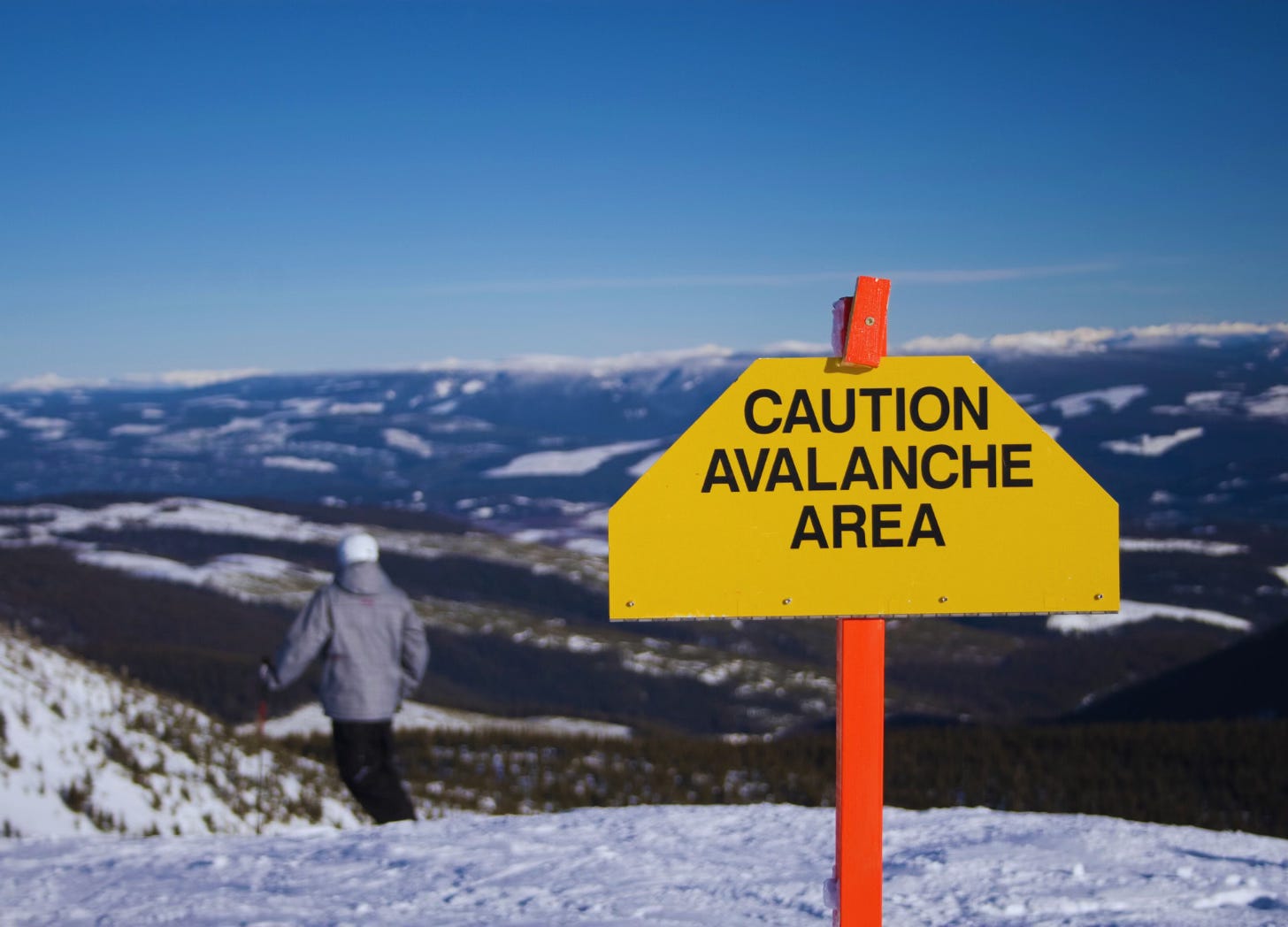
Most White people lack the toolkit of an antiracist socialization. Unless they grow up in activist or openly White supremacist families, they lack any explicit socialization about race at all. They are taught not to talk about it, in fact, not to see it. They have little fortitude for the stress inherent in confronting and resisting racism and other forms of injustice. They cope with racial stress with all the skillfulness of a lifelong southerner who sees white stuff falling from the sky. They see flurries but feel an avalanche. They learn that everything that they know is false, lies handed to them by the people whom they have loved and trusted most of all: their parents, grandparents, teachers, and pastors. The emotional load that comes with this racial awareness is sudden and acute. Yes, it’s less than an inch of snow but it comes crashing down on them all at once, destabilizing all that they have known about the world, forcing them to question all that they have held dear.
Most White people lack the toolkit of an antiracist socialization. Unless they grow up in activist or openly White supremacist families, they lack any explicit socialization about race at all.
Idelette McVicker, an Afrikaner woman raised in apartheid South Africa, describes her destabilization in this way:
A spotlight was pointed at a part of the world that existed but that I’d never before seen…My eyes were opening, and slowly, slowly, I was adjusting to the light of this new reality. Meanwhile, this full and ugly truth swung like a demolition ball at everything I had once believed to be true. My understanding of the world and what it meant to be human had been like a house. Brick by brick that house was being demolished: my worldview, my identity, my faith, my trust in authority, my sense of belonging, and my belief that Afrikaner people were the good people in the story. Once I closed that book, I found myself standing in a giant pile of rubble in an empty lot.1
Even when White people know the story of racism, they want to believe that they are “the good people in the story.” Being antiracist, however, requires them to confront their own complicity and that of their family, not just once, but repeatedly. And that includes the bad cultural habits that White people bring into antiracist dialogue, such as:
Wanting the pace of dialogue to center their relative racial ignorance over the “advanced placement” status of people of color.
Proposing easy answers to complex issues out of their internal pressure to “do something” about racism.
Policing the emotional tone of conversations according to White middle-class values of emotional moderation.
Believing that speaking in group contexts should demonstrate one’s dominance, which can lead to being overly confident in ill-informed opinions or being immobilized by a fear of saying the wrong thing.
Expecting that people of color will do the work of teaching them about racism while at the same time dismissing the wisdom of people of color.
Leaning on Black women’s strength as a source of emotional support for dealing with racial stress, but rarely offering in-kind support.
Trying to prove that they are good White people by being hypercritical of other White people’s racial knowledge and antiracist commitments.
Misreading the vocal tone of people of color and feeling compelled to “correct” their cultural expressions.
Believing that their involvement in racial justice work is a substitute for reckoning with their own internalized racism.
Messing up is to be expected for White people engaging in antiracist work, even after years of involvement. Most Black people and other people of color do not expect White people to get it right all the time. But we want them to be able to manage it well when they get it wrong, when we bring attention to the ways that their behavior reinforces patterns of racial harm. Unfortunately, many do not.
How have you experienced this in antiracist dialogue or activism? Leave a comment and join the conversation.
If you enjoyed this post, be sure to share, like, and subscribe (it encourages the algorithm to direct more traffic this way). I do a lot of my writing in coffee shops (locally owned, of course) so if you feel so moved (and are able), you can buy me a coffee or become a paid subscriber. Thank you for supporting my writing!
Idelette McVicker, Recovering Racists: Dismantling White Supremacy and Reclaiming Our Humanity (Brazos, 2022), 45).
I am often immobilized by fear of getting things wrong, including typing and retyping this comment. Thank you for this whole piece, it's giving me a lot to think about.
Having lived in both Tennessee and Ohio, your snow analogy is perfect.
Thank you for giving me concrete ways to improve.